Blog

  • Gyrotonics vs Pilates: Comparing benefits and techniques

    Gyrotonics vs Pilates: Comparing benefits and techniques

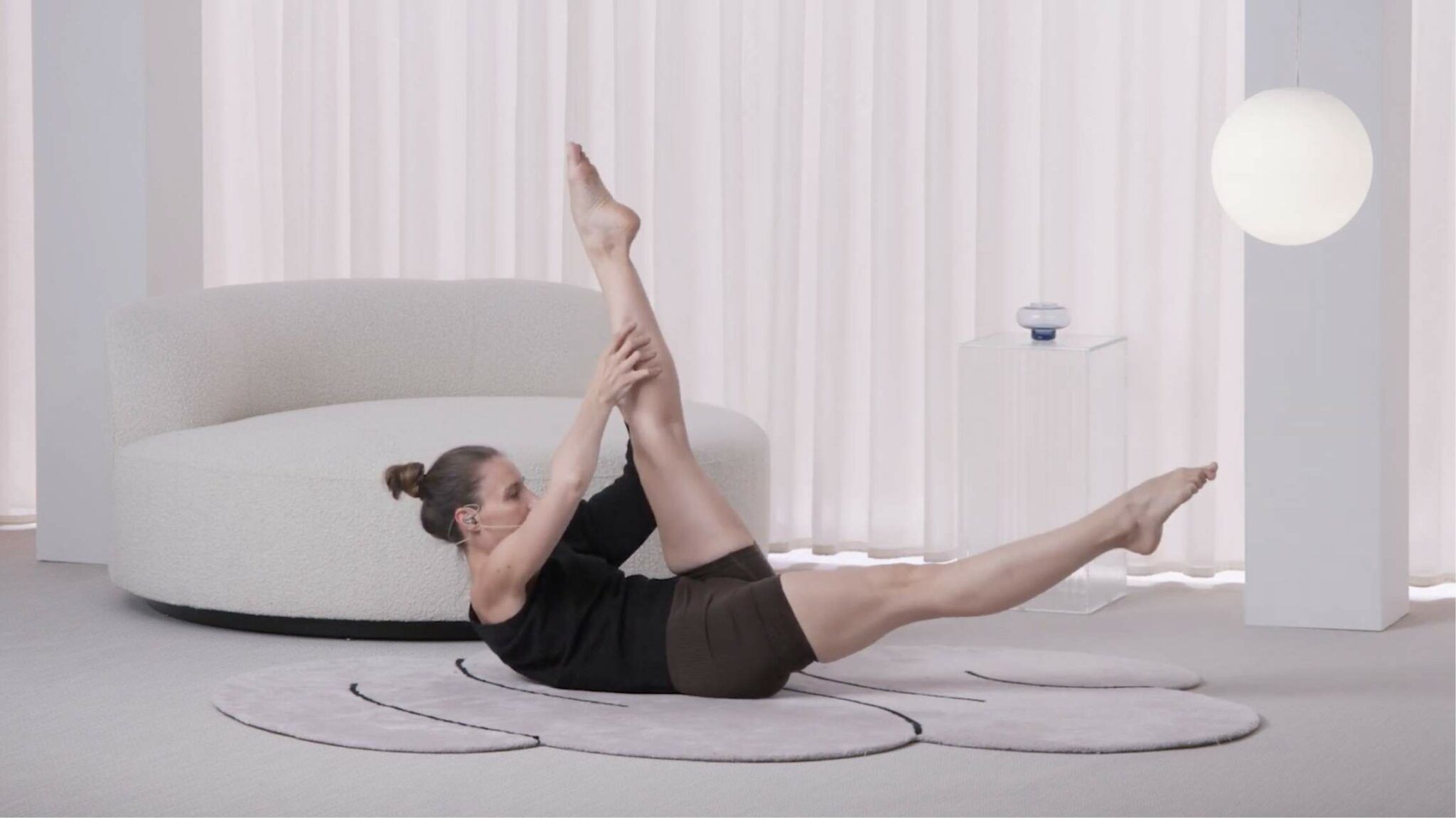
    Pilates has skyrocketed in popularity thanks to its effectiveness. People know and adore the practice for its slow, controlled exercises. These exercises improve core strength, posture, and balance.

    Still, the lesser-known Gyrotonic method is slowly gaining popularity. This newer technique emphasizes fluid, circular movements. They mimic dancers to boost the body’s functional capacity.

    Exploring these differences will help you understand these two methods. It will help you decide which aligns best with your fitness goals.

    Key takeaways

    • Gyrotonic and Pilates both improve strength and flexibility but use different methodologies.
    • Pilates focuses on core stability and muscle balance. The Gyrotonic method emphasizes fluid, three-dimensional movements.
    • Understanding the differences can help you decide which method you prefer.

    Understanding Gyrotonic Expansion System

    Gyrotonic focuses on using the whole body through rhythmic, flowing exercises. It’s designed to work with the natural curvature of the skeletal system.

    Key principles of Gyrotonics include:

    • Decompression of joints
    • Use of three-dimensional movements
    • Breathing
    • Coordination
    • Balance

    Gyrotonic equipment

    The Gyrotonic Expansion System uses a Gyrotonic Pulley Tower to perform the exercises.

    This specialized equipment uses a pulley and weight system to create resistance. It also accommodates circular motions.

    This allows you to activate a range of muscles to build strength and mobility.

    Benefits of Gyrotonics

    Gyrotonic exercise is about more than just physical strength.

    It aims to ensure that each exercise adds to a balanced and fluid motion system. This can be beneficial for both the internal organs and acupuncture meridians.

    It also helps to promote both mobility and strength. This way, your body can move better.

    Benefits of Gyrotonic exercise:

    • Strengthens the body
    • Increases flexibility
    • Expands your body’s range of motion
    • Aids in injury prevention and physical therapy
    • Stimulates the nervous system
    • Improves balance and coordination
    • Corrects muscular imbalances

    Exploring Pilates

    Joseph Pilates believed in creating connections between mind and body, achieving a harmonious fitness system.

    Pilates exercises focus on whole-body connections as well as the core including:

    • Abdominals
    • Lower back
    • Hips
    • Glute muscles

    These are all crucial for stability and strength. Pilates movement can also incorporate flexibility, alignment, and larger ranges of mobility.

    Core principles and techniques

    • Breathing: Coordinating breath with movement.
    • Concentration: Focus on form and alignment in each exercise.
    • Control: Movement is performed with muscular control to prevent injury.
    • Precision: Small, precise movement.
    • Centering: Movements originate from the core and engage muscles to support the spine.
    • Flow: Exercises are executed with grace and fluidity.

    Variety of Pilates equipment

    You can do Pilates exercises with or without Pilates equipment. This makes it a versatile practice compared to other forms of exercise.

    In different Pilates classes, you can find:

    • Mat Work: This is the foundation of a Pilates practice. All you need is a mat and your body.
    • Reformer: A reformer is a bed-like frame with a flat platform. It rolls back and forth and has springs for resistance.
    • Cadillac: This apparatus includes bars, straps, springs, and levers. This facilitates a wide range of Pilates exercises.
    • Wunda Chair: A small seat with pedals attached to springs. They transform the chair into an exercise apparatus.
    • Ladder barrel: An arc-shaped piece of equipment. It assists in stretching and building strength in the entire body.

    You can use specialized equipment to either challenge or assist your movement.

    Benefits of Pilates

    Pilates is a low-impact workout. It helps with many health goals and fits all fitness levels. These include better posture, core control, and even relief from back pain.

    The beauty of Pilates is in its versatility.

    Movements can be modified to make the practice accessible to everyone. Pilates can be practiced with or without equipment. Because of the resources available, it can even be conveniently practiced at home.

    Benefits of Pilates exercise:

    • Strengthens the core muscles
    • Improves flexibility and posture
    • Develops balance and coordination
    • Boosts endurance and energy levels
    • Injury prevention and recovery
    • Enhances mind-body connection
    • You can practice at home, in private sessions, or in group classes
    • You can adjust exercises for your fitness level
    • Corrects muscular imbalances
    • You don’t need equipment to start

    Key differences of both Pilates and Gyrotonic

    Both Pilates and Gyrotonic work to build strength and develop a mind-body connection. But, their unique techniques cater to very different fitness preferences.

    Philosophy

    • Gyrotonics: Emphasizes fluid, three-dimensional movements. It champions core strength through circular and spiraling patterns.
    • Pilates: Concentrates on core strength by promoting stability and precision in movement. Movement is linear and controlled.

    Specialized equipment

    • Gyrotonics: Utilizes the Gyrotonic Pulley Tower. A machine that incorporates weights and pulleys to guide movements.
    • Pilates: Practiced with a mat or specialized equipment. Sessions can use equipment like the Reformer, Cadillac, and Wunda Chair. These machines provide resistance through springs rather than weights.

    Movements

    • Gyrotonics: Encourages rhythmic, flowing postures. Stretches engage the entire body with a focus on spinal and joint health.
    • Pilates: Often more structured. Postures focus on body alignment and form through linear exercises.

    Conclusion

    Unlike other exercise philosophies, Pilates and Gyrotonics promote strength, flexibility, and mind-body awareness. All focuses benefit the nervous system and a balanced body.

    Yet, both use different tools and approaches. When choosing between Pilates vs Gyrotonics movement, consider:

    • Whether you would enjoy controlled or fluid movements.
    • The availability of certified trainers and studios near you.
    • If you would prefer to practice at a studio or from the convenience of your home.
    • The equipment you would like to use or have access to.
    • Which focus aligns with your personal goals.
  • How long should I do Pilates a day? Optimal duration for results

    How long should I do Pilates a day? Optimal duration for results

    Pilates can transform your body and mind, but how much time should you really invest? And how long will it take to see results? This article is your guide.

    Regular practice will make you stronger, more flexible, and more aware of your body. But finding the right balance is important. Especially if you want to reach your goals, enjoy your practice, and give your body time to rest.

    We’ll help you create a plan that’s doable and keeps you motivated. Let’s build a Pilates practice that lasts.

    Personalizing your Pilates routine

    Crafting an effective Pilates exercise program will depend on two things:

    1. Your experience level.
    2. Your health goals.

    For those new to Pilates, you might start with shorter sessions. As you build a routine, you can gradually increase your duration. This will help you build strength with new exercises and minimize the risk of injury.

    More experienced practitioners might need a bigger challenge. Think of longer workouts or more consistency each week. Especially if you are looking to advance your practice further.

    You should also consider your specific health goals:

    • Do you want to build muscle and a stronger core?
    • Are you looking to increase flexibility and mobility?
    • Are you rehabilitating an injury?
    • Do you just want a bit of daily exercise that feels good in your body?

    These questions can help pinpoint your goals and shape how many minutes of Pilates you should be doing.

    how long should you do pilates for results

    How the length of Pilates workouts affects the benefits

    Pilates enhances endurance, flexibility, balance, and posture. To maximize these benefits, consistency is key.

    Even 15-20 minutes of Pilates can help to develop flexibility and provide a quick core workout. They can also help you to maintain consistency with your practice. This way, you can commit to a regular practice or daily workout.

    If you’re working on building muscle with resistance conditioning, 30-45 minute lessons are ideal. These longer workouts give you the time to target various muscle groups. They also allow you the time to work on various goals like mobility or balance.

    Regular 45-60 minute workouts can lead to more pronounced improvements. Especially if the intensity of your class is more challenging. These classes allow for a holistic approach with a warm-up, full-body workout, and stretching.

    Regardless of the length, your workouts should be tailored to your health and fitness goals, balancing intensity with enough recovery time. Slow progress is better than pushing limits that will lead to injury.

    How long are typical Pilates classes?

    Typically, studio classes last about an hour. However, online Pilates platforms are more flexible. Because you can pick and choose your video workouts, a class can be anywhere from 5-60 minutes. It all depends on your schedule or preference.

    How long should a Pilates workout be?

    The ideal duration for your Pilates workouts will depend on your fitness level, goals, and schedule. The beauty of a home mat practice is that you can tailor the length to suit your needs.

    As a beginner, starting with shorter classes will help you stay consistent. Shorter, focused classes can also help you to tackle one exercise at a time. This way, you can concentrate on perfecting your form. As weeks go by, you can begin increasing your practice time.

    For those who are more advanced, 45 minutes to 1 hour of practice may help you to feel the benefits of a well-rounded workout. These longer workouts give you time to work each muscle group.

    Daily practice recommendations

    Skill levelDurationFrequency
    Beginners15-20 minutes3 times a week
    Intermediate/Advanced30-60 minutes3-5 times a week

    Weekly schedule example

    DayFocusLength
    MondayFull-body30 to 60 minutes
    WednesdayCore focus15 to 30 minutes
    FridayBalance and flexibility15 to 30 minutes

    Your body feels the cumulative effect of all the workouts, so consistency is crucial. Committing to even short daily mat workouts can lead to improvements in strength, flexibility, and posture. It’s the quality of the Pilates session, not just the duration, that makes a difference in your life.

    This is why it’s also important that you are getting instruction from a certified Pilates instructor. Finding the right instructor who clearly explains the exercises will help you get the most out of your movements.

    Strive for a regular practice that leaves you feeling refreshed and energized rather than fatigued. Your ideal workout length should harmonize with your lifestyle. Allow Pilates to become a sustainable part of your daily life.

    Recommended frequency for beginners

    In-studio

    In terms of frequency, joining a studio Pilates Reformer or Mat class twice a week is common. This allows beginners to develop strength and familiarity with the exercises.

    As weeks go by, you might increase this frequency. Some dedicated participants even choose to practice Pilates daily for improved results. Founder Joseph Pilates suggested doing a bit of Pilates every day to significantly enhance your well-being.

    Online

    Consider joining an online platform if you need more flexibility in your schedule or budget. We created BAY STUDIOS+ to offer variety and flexibility.

    Join our beginner-friendly Foundation series or a 15-minute class for a quick, consistent mat workout. Or dive into our 30-60 minute classes for a full body workout.

    Remember, your commitment to a routine will impact the results you achieve. However, it’s essential to listen to your body. Adjust the length and frequency of your workouts to fit your individual needs and goals.

    Private lessons

    If you’re new to Pilates, consider a one-on-one lesson with a Pilates instructor. They can help focus on your specific needs. They can also explain how to engage all your muscles correctly. This is a great way to have full attention placed on your personal practice. Start with one hour each month as you develop your practice.

    Misconceptions about Pilates practice length

    Unlike other workout types, Pilates doesn’t have a one-size-fits-all duration. Below are a few misconceptions:

    1. Time is more important than quality: In reality, a well-structured class can be effective in a shorter time frame. Try to focus on control and precision.
    2. No rest days: Incorporating breaks is crucial for muscle recovery. Avoid overtraining to avoid injury, no matter the sport.
    3. Practicing every day: Again, rest is important. Even a small amount of movement in the morning or throughout your day will be beneficial. However, make sure you’re taking time to recover, too.
    4. Only practicing Pilates: Pilates can and should coexist with other forms of movement. It complements yoga for flexibility, cardio for breathwork, and weightlifting for muscle strength.

    Crafting your Pilates routine

    You have goals in mind. You’ve determined your fitness level. Now it’s time to decide how and where you want to practice. Take time to answer these questions:

    Do I want to practice on the mat or with a Pilates Reformer?

    Your class type can determine your practice time. You will likely have to visit a studio for an hour-long class if you’re interested in using Pilates reformer equipment. Mat class times often vary at studios and at home.

    You can also incorporate both Pilates mat and Pilates reformer practices into your routine if your schedule allows.

    How do I want to challenge my muscles with resistance?

    Mat Pilates uses body weight and small equipment for resistance. Reformer movements use the spring tension of a Pilates reformer machine for resistance. Decide what kind of challenge you’re looking for in your practice.

    What does my schedule look like?

    Be realistic about your schedule. Do you only have a few minutes each morning, or can you dedicate 30 minutes? The perfect practice amount will be something you can actually achieve each week. As you start out, try for 15-30 minutes a day, three times a week.

    Remember, a balanced workout should target different muscle groups. Pay attention to your form and stay focused to maximize benefits.

    Balancing Pilates exercises with other workouts

    Varying workout types is the key to a balanced fitness plan.

    Pilates enhances flexibility, balance, and core strength. However, balancing Pilates with weight lifting, yoga, and cardio will ensure a holistic approach to your health and strengthening your body.

    • Strength training: Weight lifting helps to build strength and increase bone density. Strive to train 2-3 times weekly.
    • Cardio: Cardio exercises can vary in intensity and improve heart health. Strive to train 3-5 times weekly.
    • Yoga: Yoga helps with flexibility and recovery. Strive to practice 1-2 times weekly. But be sure to stretch after every workout.

    Remember that none of your workouts need to be hours long each time you move. Fifteen minutes of Pilates in the morning and fifteen minutes of cardio throughout one day would be a great example of an effective and achievable movement plan.

    Pace your workouts throughout the schedule. Avoid overtaxing your muscles. Allow for rest and recovery. It’s important to listen to your body and take a break when you need it.


    Frequently asked questions

    Incorporating Pilates into your daily routine can improve your physical activity and well-being. The following frequently asked questions provide insights into how long and often you should engage in Pilates to reap its benefits.

    Is 20 minutes of Pilates a day enough?

    For those with time constraints, a consistent 20-minute daily Pilates workout can still offer quality of life improvements. Committing to a brief, daily regimen can enhance general activity levels and positively impact your day.

    The benefits of Pilates are cumulative. Consistency will outshine the length of a session.

    Can 10 minutes of Pilates a day make a difference?

    Even as little as 10 minutes of Pilates each day can be beneficial, especially if you are consistent. These short practices can lead to better posture and increased core strength over time.

    How often should I practice Pilates to observe benefits?

    Starting with two weekly Pilates lessons can yield improvements in flexibility and strength. With this moderate schedule, you can begin to notice changes in your body and well-being.

    How many times a week should I do Pilates to see results?

    Most practitioners recommend at least two to three Pilates sessions per week to see physical results. This frequency allows for adequate recovery time and helps to strengthen muscles.

    How often should I do Pilates as a beginner?

    For beginners, starting with two Pilates sessions per week is advisable to acclimate the body to the new exercise form. You can gradually increase frequency as your strength and familiarity with the exercises improve.

  • Pilates mat vs Yoga mat: Choosing the right foundation for your practice

    Pilates mat vs Yoga mat: Choosing the right foundation for your practice

    Yoga and Pilates mats might look similar. However, each mat has its own unique features. Keep in mind that these features are tailored to the movements of either a yoga or Pilates practice.

    Your choice will impact your comfort and stability as you move. We’ll explore the differences together to find which choice is right for you.

    Key takeaways

    • Pilates and yoga mats are made differently. They support the unique movements of each practice.
    • A Pilates mat is thicker (6-15 mm or 0,24-0,59 inches) for cushioning, while a yoga mat is thinner (4-6 mm or 0,16-0,24 inches) for balance and stability.
    • Picking the right mat can improve how well and how comfortable you can do your exercises.

    The difference between yoga and Pilates workouts

    Pilates and yoga stand out in the world of popular mind-body practices.

    They both enhance flexibility, strength, and mental clarity. They both help to maintain an active lifestyle. However, the distinct difference between these two practices is their approach.

    Yoga

    Yoga is an ancient Indian discipline that focuses on the harmony between mind, body, and spirit. It’s a practice that often involves holding poses or seamlessly transitioning through movements. This requires balance, stability, and endurance. Yoga mats are designed with this in mind and often have a stable, grippy surface.

    Pilates

    Pilates, however, focuses on precise movements that build strength and endurance. It places attention on engaging the core and keeping the spine and pelvis aligned.

    The movements in Pilates need a mat that offers more cushioning. Thicker mats help support the spine and provide comfort during the workout. This is important since certain exercises are done lying down.

    Choosing which exercise mat you want to use will come down to the specific needs of your chosen practice. The material, texture, and thickness of your Pilates or Yoga mat will all affect your ability to move well. Be sure to align your choice of mats with your practice.

    Comparing yoga mats and Pilates mats

    Selecting the right workout mat for your exercise routine is important. Be sure you understand the differences between yoga mats and Pilates mats.

    Thickness

    • Pilates generally uses a thicker mat (6-15 mm or 0,24-0,59 inches). They provide the cushioning to protect the joints and vertebrae.
    • Yoga mats are often thinner. They offer more stability for balancing and standing poses.

    Material

    • Pilates mats are usually made of closed-cell foam or high-density rubber. These materials offer extra cushioning.
    • Yoga mats tend to be made with earth-friendly products that offer better grip. This can be natural rubber, PVC foam, cork, or recycled rubber. All products that allow for an excellent grip and a non-slip surface.

    Support

    • Pilates mats will feel soft to provide support for the spine and joints. However, balancing on this softer surface will be more difficult.
    • A standard yoga mat will provide less support for your joints but more support for your balance.

    Key considerations

    • Choose your mat based on your preferred workout type. If you do both yoga and Pilates, you might consider investing in both mats.
    • If you can only choose one mat, choose a dense yoga mat. This way, you can do several exercises from both practices.
    • Consider eco-friendly options if sustainability is a priority for you.
    • Consider the quality of your mat. Not all mats are equal.

    When choosing exercise mats, pick the one that best supports your practice.

    How a Pilates mat supports a Pilates practice

    Pilates works to enhance core and overall strength. It also helps to improve posture, flexibility, and body awareness. This is all done through different variations of slow, controlled movements designed by Joseph Pilates.

    Pilates mats provide the necessary base for all of these focuses.

    The importance of thickness and density

    A thicker mat is crucial for an effective and supportive Pilates routine.

    Movements are typically done on the hands and knees or on the back for many repetitions. This is why you would want something comfortable and easy on the joints.

    Pilates exercise mats generally offer:

    • More padding: This is beneficial for sensitive knees and backs during floor workouts. It’s also necessary for those who might be practicing as physical rehabilitation.
    • Enhanced density: A dense mat protects your joints by absorbing impact. It also provides a stable surface. This is important for balance and control in exercises like the Teaser and Roll Up.

    Pilates mats are about 6-15 mm (0,24-0,59 inches) thick. They provide comfort without losing stability.

    Material and texture for Pilates movements

    Material and texture also play a significant role. These features ensure:

    • Non-slip texture: A grippy mat helps maintain positions without slipping. This is essential for precision in exercises and safety.
    • Durable material: Exercise mat material should be resistant to wear and tear from repetitive movement.

    A Pilates workout mat can also be used for resistance exercise or weight training. This is often why these exercise mats are included in gyms for different floor exercises.

    How a yoga mat supports a yoga practice

    Yoga is a practice that expands your physical, emotional, and spiritual health. It improves flexibility and strength. It creates a balanced body and mind.

    All of this work is done through poses, breathwork, and meditation. A good yoga mat is not just an important tool for your practice. Many practitioners view it as a sacred space.

    The importance of stability

    Stability is crucial for a yoga mat. It should prevent slipping for your safety when you practice. This is especially important while you hold a pose or transition through poses.

    Standard yoga mats offer:

    • More stability: A thin mat of 4 mm (0,16 inches) offers the stability required in yoga poses.
    • Better grip: Non-slip materials allow you to transition between many yoga poses safely.
    • Sweat absorption: Yoga mats designed to absorb sweat and maintain grip even as you sweat. This can enhance your stability in your poses. Especially in Vinyasa and Hot Yoga classes.

    Cushioning and quality for your daily routine

    Yoga mats should be thinner than their Pilates counterpart. However, they should still provide some cushioning. This will also protect the joints and allow for soft landings in poses.

    A quality mat will not be so thin that you can feel the wooden floor underneath. These features ensure:

    • Physical health: Adequate cushioning reduces impact and prevents injuries.
    • Support: Mats should hold your body weight. This happens during physical activity, like holding or moving through poses.
    • Deep focus: A comfortable mat allows you to relax for the meditative portion of your practice.

    Remember, a quality mat can profoundly enrich your yoga practice.

    Making the right choice

    Consider what physical activities you will be doing when choosing your mat. Both yoga mats and Pilates mats will support floor exercises. However, they are designed with different features specific to each practice.

    The main differences between yoga and Pilates mats are:

    • density
    • non-slip features
    • sweat absorption
    • materials they are made of

    The best mat for Pilates should offer cushioning for rolls and spine exercises. This cushioning will also help those with sensitive knees. It will also help those who need extra support.

    The best yoga mat should provide a non-slip surface and excellent grip for stability. This will come in handy during challenging poses or as you flow through sequences.

    Yoga mats also tend to be made from eco-friendly materials like natural rubber or cork. This may be an important factor if you are hoping to connect your individual consciousness practice to universal consciousness through your choice.

    Conclusion

    The type of mat you use matters. Decide what type of workouts you will use your mat for and notice how it makes a difference.


    Frequently asked questions

    Can I use the same mat for yoga and Pilates?

    You can use the same mat for yoga and Pilates. Keep in mind that Pilates mats are usually thicker to protect your joints.

    Why are Pilates mats thicker than yoga mats?

    Pilates mats are thicker to provide more padding and support during Pilates exercises. Yoga mats are often thinner since yoga poses don’t need as much cushioning.

    What thickness mat is best for Pilates?

    The best thickness for a Pilates mat is generally 6 mm (0,24 inches) or thicker. This thickness provides enough cushioning for the spine during Pilates. Thinner mats can compress the spine too much.

    Can I use a Pilates mat for yoga?

    You can use a Pilates mat for yoga, but a yoga-specific mat may provide better grip. Pilates mats work for yoga since they are padded, but they may be more slippery than a textured yoga mat. Yoga requires more grip.

  • Pilates exercises to avoid when pregnant: Key moves to skip for safety

    Pilates exercises to avoid when pregnant: Key moves to skip for safety

    Pregnancy Pilates is a fantastic way to maintain a healthy lifestyle during pregnancy. Still, it’s crucial to know which movements are safe and which to avoid to prevent undue stress on your body.

    The physiology of pregnancy alters your balance. It puts extra strain on your back, abdominals, and pelvis. This makes some movements uncomfortable or unsafe when working out. So, while Pilates can be beneficial, some exercises might be too risky for those expecting.

    To practice Pilates during pregnancy, it’s important to understand these changes. Listen to your body and adjust exercises for a safe prenatal Pilates workout.

    Key takeaways

    • Practicing Pilates while pregnant can be beneficial, but some exercises may pose risks.
    • Understanding changes during pregnancy is crucial for a safe Pilates practice.
    • Focus on safety by avoiding certain movements and opting for modified versions.

    Safe practices for prenatal Pilates

    Prenatal Pilates sessions can reduce stress. They can also strengthen the pelvic floor and keep your entire body strong. Still, it’s important to adhere to safe practices.

    When engaging in Pregnancy Pilates, focus on low-impact exercises.

    Key considerations for your routine

    • Mind your intensity: A moderate intensity in low-impact exercise is key. Avoid overexerting yourself. Ensure you can still hold a conversation during your workout.
    • Be aware of your clothing: Wear clothing that supports a full range of motion.
    • Breathe: Deep breathing exercises help improve oxygen flow, reduce stress, and enhance relaxation.
    • Core exercises: Practice safe exercises that activate core muscles without causing strain.

    Why you should avoid certain movements

    Movements that might have been beneficial before pregnancy can now pose risks. Especially as you experience changes to your internal systems, balance, posture, ligaments, and stability.

    Overheating

    During the first trimester, blood flow increases. This affects your blood pressure and body temperature and can lead to overheating during exercise. A low-impact Pregnancy Pilates workout will be ideal during this time.

    Abdominal muscles

    One of the most noticeable changes will be a growing belly with increased weight gain. This stretching of the front body can weaken and tighten the back muscles and change the support coming from your core muscles. Avoid exercise that causes excessive strain on the superficial abdominal muscles.

    Pelvic floor muscles

    Your pelvic floor muscles support your uterus and can become strained as the fetus grows. Strengthening them can help manage some of the physical challenges of pregnancy.

    Balance and overextending joints

    In the second and third trimesters, your center of gravity shifts. This increases the risk of strain on your back and pelvis. Hormonal changes also loosen joints, which can allow you to overextend the joints. Avoid overstretching or risky stability exercises. They challenge your balance too much and place undue pressure on your abdomen.

    Respecting these changes to your body is key to practicing pregnancy Pilates. It’s crucial to adapt your exercise routine to these changes. This will help maintain a healthy and comfortable pregnancy experience.

    Pilates exercises pregnant people should avoid

    You should approach your Pilates workout with more caution during the prenatal period. Some poses may not be safe across the different stages of pregnancy. Here, we’ll discuss what you should avoid during each trimester.

    Pilates in the first trimester

    • First trimester: Focus on maintaining your exercise habits with Pilates during pregnancy. There’s no need to push for new personal bests.

    During your first trimester, your regular movements may still feel very comfortable. They should be safe early on.

    As the first trimester progresses, avoid abdominal exercises that involve significant abdominal pressure. These movements can put too much strain on your midsection. Your body starts producing a hormone called relaxin as early as six weeks. This hormone loosens the joints and ligaments making it important not to over stretch. Listen to your body and get comfortable with not pushing yourself.

    Avoid:

    • Intense core workouts
    • Over stretching especially the hips and pelvic area

    Pilates in the second trimester

    • Second and third trimester: Adapt safe exercise to accommodate your changing body.

    Lying on your back can increase pressure on your blood vessels, reducing blood flow to your baby so avoid supine positions for extended periods of time.

    Avoid prone exercises that place direct pressure on your belly as well.

    At this stage, your usual Pilates Mat or Pilates Reformer exercises may become too hard or unsafe. You may want to make the switch to a prenatal Pilates class.

    Avoid:

    • All prone positions
    • Prolonged supine positions
    • Abdominal crunches and flexion based abdominal exercises
    • Overstretching

    Pilates in the third trimester

    • Third trimester: Incorporate a focus on breathing, stretching, and gentle movement.

    Continue to avoid prone, supine, and strong flexion-based core work. Also, be more cautious with movements that challenge your balance.

    Remember that Mat and Reformer Pilates often include lying positions and core exercises. These put too much pressure on your core and pelvic floor at this stage. It’s also safe to avoid the hot and humid conditions found in hot Pilates classes. These classes can lead to overheating and dehydration.

    Consider prenatal-focused Mat or Reformer Pilates classes for your safety and well-being.

    Avoid:

    • Balance-challenging moves without support
    • High-temperature Pilates environments
    • Deep stretches
    • Strong abdominal exercises
    • Supine and prone positions

    Following pregnancy guidelines for exercise will help maintain your safety. While you can modify and enjoy most Pilates exercises, it is important to avoid those that:

    • Place significant load on the abdomen.
    • Involve lying on your back after the first trimester.
    • Involve jumping, hopping, or bouncing motions.
    • Pose a high risk of falling or abdominal injury.

    Remember, your ever-changing pregnant body requires a tailored approach to Pilates and other exercises.

    Modifying mat and reformer Pilates for a safe practice

    When engaging in Pilates during pregnancy, it’s crucial to modify your routine. Remember that you can adjust all your Mat Pilates and Reformer Pilates exercises. This will help you maintain your practice safely and effectively. Pilates can help strengthen muscles and support a healthy delivery. However, the movements should be done with care during pregnancy.

    Pregnancy Pilates classes online

    With online platforms like BAY STUDIOS+, you can work out from the comfort of your home. Maintain strength and well-being with a library of prenatal classes at your fingertips.

    We tailor each pregnancy Pilates class for safe and effective workouts during pregnancy. And a certified Pilates instructor leads you through each movement. This way, you can start exercising in a way that best supports your pregnancy.

    Conclusion: Balancing Pilates and pregnancy

    Practising Pilates during pregnancy is a great option for maintaining your health. It can help you prioritize exercise and support your body and mind.

    Avoid exercises that:

    • Involve significant strain or load of the superficial abdomen
    • Place undue pressure on the pelvic floor
    • Involve lying flat on your stomach or back after the first trimester
    • Stretch the ligaments and joints

    Instead, focus on:

    • Strengthening and releasing pelvic floor and deep abdominal muscles: Beneficial for childbirth and the postpartum period.
    • Enhancing postural alignment: As your center of gravity shifts, it’s important to keep the back of the body strong and glutes active.
    • Listening to your body: If any exercise feels uncomfortable, stop immediately.
    • Staying hydrated: Drink plenty of water before, during, and after your Pilates workouts.

    Remember, some Pilates exercises will need modification. This is important so that movements suit your evolving body during pregnancy. Seek guidance from certified instructors and prenatal classes in person or online.

    Always ask your healthcare provider before starting any new exercise during pregnancy. They can ensure it’s safe for you and your baby. With the right approach, Pilates can be an excellent tool. It will keep you strong and balanced as you prepare for childbirth and beyond.


    Frequently asked questions

    What core Pilates movements should be avoided to ensure safe pregnancy workouts?

    Avoid traditional crunches, deep twists, and intense backbends. Opt for Pilates movements that support the transverse abdominis and minimize diastasis recti risk.

    Where can I find resources or guides for safe Pilates practice during pregnancy?

    Consult with qualified Pilates instructors who specialize in prenatal routines. Alternatively, rely on online resources like BAY STUDIOS+. They have specific prenatal Pilates videos with detailed instruction for pregnant people.

    Are there any Pilates movements that are safe throughout the entire pregnancy?

    Many Pilates movements are safe for pregnancy. There are also plenty of options to modify the movements. We’ve created a comprehensive guide to lead you through the dos and don’ts of pregnancy Pilates to ensure a safe experience.

    Which Pilates class types are safest during pregnancy?

    Mat Pilates, Reformer Pilates, and other equipment-based Pilates classes are safe during pregnancy. Still, many exercises require lying on the stomach or back. They can also focus on building abdominal strength. So, prenatal classes or modified classes for pregnant people will be safest.

    Are there any Pilates equipment or accessories I should avoid during pregnancy?

    Keep in mind that equipment-based classes require movements on an elevated surface. Also, classes like Reformer Pilates are done on the sliding surface of a Pilates Reformer machine. So, be sure to take extra care with your balance when moving with these machines.

  • Yoga vs Pilates for back pain: Comparing benefits and techniques

    Yoga vs Pilates for back pain: Comparing benefits and techniques

    Practicing Yoga and Pilates encourages low-impact, mindful movement that can help to alleviate back pain symptoms. But when comparing Yoga vs Pilates for back pain relief, what’s the difference, and could one be better than the other?

    Both modalities offer distinct approaches to strengthening and stretching the muscles that support the spine, potentially relieving discomfort. However, the effectiveness of Yoga vs Pilates for back pain relief can depend largely on the root cause of your chronic pain and your personal physical condition.

    Yoga helps enhance your range of motion and reduce stress, which can be beneficial if tension is contributing to your back pain. Pilates could be the answer if enhancing core strength and spinal alignment is what your back needs.

    Together, we’ll dive into both Pilates and Yoga to understand how each approach really contributes to alleviating pain in the body and which one might be the best option for you.

    Key Takeaways

    • Yoga and Pilates both offer benefits for back pain through different approaches.
    • Choosing the right practice for back pain depends on individual needs and underlying causes.
    • Consultation with healthcare professionals is essential before starting Yoga or Pilates for back pain.

    Understanding the causes of back pain

    Experiencing back or neck pain can stem from a variety of reasons. Chronic back pain and chronic low back pain are common issues that affect your quality of life. It’s essential to understand the root causes which may include:

    • Muscle or ligament strain: Repeated heavy lifting or a sudden awkward movement can strain back muscles and spinal ligaments.
    • Bulging or herniated disc: The discs act as cushions between the bones in your spine. A disc’s soft material can bulge or rupture, pressing on a nerve.
    • Arthritis: Osteoarthritis can affect the lower back. In some cases, arthritis in the spine can lead to a narrowing of the space around the spinal cord, a condition called spinal stenosis.
    • Skeletal irregularities: If your spine curves in an unusual way, as in scoliosis, you may experience back pain.

    Poor posture over time or poor control of your body mechanics can exacerbate chronic low back pain. Neck pain can also arise from similar causes or from issues such as prolonged usage of computers and smartphones, which affects your posture.

    Understanding and identifying the precise cause of your back pain is critical to choose the right treatment and exercise program for you.

    Yoga classes and Pilates classes cater to different aspects of back care, depending on whether your pain is muscular or structural. Remember that safety comes first. If you suffer from a back injury, it’s important to consult with a healthcare professional before beginning any new practice, particularly with existing health concerns.

    Pilates classes for back pain relief

    The benefits of developing core muscles

    Pilates can be a transformative practice if you’re seeking back pain relief. In addition to being a low-impact full body workout, this exercise program focuses on core strength stability, improving posture, and finding spinal and body alignment. All focuses that can help to alleviate back pain.

    Developed in the early 20th century by Joseph Pilates, Pilates classes and exercises place an emphasis on stable core engagement and strengthening weak core muscles, which includes targeting the deep abdominal muscles, internal and external obliques, back muscles, and pelvic floor. This is done with small, concentrated movements, making it an ideal practice for those experiencing pain or hoping to prevent back pain.

    In addition to strengthening the muscles that support the back, Pilates’ focus on alignment and flexibility helps to improve posture and reduce tension in muscles to create a multi pronged approach to reducing back pain through gentle exercise.

    Core principles of Pilates

    Pilates is founded on the core principles of correct alignment, centering, concentration, control, precision, breath, and flow.

    These principles are crucial as they ensure that you execute each movement with maximum efficiency and minimal strain on your back. By emphasizing proper technique and core engagement, Pilates helps you develop a strong foundation, which is vital for alleviating and preventing back pain.

    A focus on concentration and breathing exercises can also help to reduce stress and tension that leads to strain experienced in the neck, shoulders, and back.

    Pilates exercises for back health

    Numerous Pilates exercises are designed to strengthen core muscles, which support your spine. A mat class typically includes exercises like:

    • The Pelvic Curl: for lower back and core engagement
    • The Spine Stretch: to improve the mobility of the spine
    • Side Lying Leg Work: stabilizes the pelvis for proper alignment
    • Figure Four Stretch: reduces tension in the glutes and lower back

    With the aid of specialized equipment such as resistance bands or Pilates reformers, your instructor can help further tailor exercises to target back issues. Joseph Pilates, the creator of this method, emphasized the importance of controlled movements to protect and strengthen the back.

    Customizing Pilates for back issues

    It’s crucial to customize Pilates for back pain relief. Pilates instructors are trained to modify exercises and can often provide personalized recommendations in a Pilates class. They might suggest:

    • Utilizing props like a small ball or block for support during difficult exercises
    • Adjusting the intensity and range of motion for safe practice
    • Incorporating movements that strengthen and stabilize the back
    • Providing guidance through gentle stretching movements
    • Modifying movements to reduce strain or alleviate pressure

    Always communicate your back pain history to your instructor so they can help ensure that the Pilates exercise you will be participating in will help your back and avoid causing further issues. Remember, consistent practice and attention to form can lead to significant improvements in back health and alleviating any pain you might be experiencing.

    Yoga classes for back pain relief

    Benefits of yoga for the back

    Yoga therapy, with its roots in ancient Indian philosophy, offers a holistic approach and is recognized for its effectiveness in alleviating discomfort caused by back pain.

    A Yoga practice involves stretching and strengthening exercises that enhance postural alignment and muscle balance, which are vital in maintaining back health. Yoga also emphasises movements that can increase flexibility, reduce discomfort, and offer a variety of positions that specifically target the back of the body.

    By practicing Yoga, you’re also engaging in breathing exercises that can help to ease tension that contributes to back pain.

    Additionally, Yoga promotes relaxation and stress reduction, which can alleviate the psychological components of back pain.

    Key yoga poses and movements

    When practicing Yoga for back pain relief, certain practices not only aim to provide pain management but also help you stay physically active and reduce stress through core strengthening and movements are particularly beneficial. Here are a few recommended by yoga teachers:

    • Child’s Pose (Balasana): Gently stretches the lower back and hips.
    • Cat-Cow Stretch: Enhances flexibility of the spine and relieves tension.
    • Downward-Facing Dog (Adho Mukha Svanasana): Strengthens the entire back and improves overall posture.
    • Supine Spinal Twist: Gently twits the spine and alleviates pressure from low back pain.

    Each of these Yoga poses targets various areas of the back, aiding in reducing pain and improving posture.

    Safety and adaptations

    While Yoga is beneficial, it’s crucial to approach Yoga with caution, especially when dealing with back pain. Safety adaptations and modifications to your Yoga poses might be necessary, and it’s always wise to consult a healthcare provider before starting a new exercise regimen.

    Working with a Yoga instructor or enrolling in Yoga classes can provide guidance on proper alignment to ensure that you’re engaging in Yoga positions that are therapeutic for your specific needs instead of potentially overstretching or moving in a way that will exacerbate your back pain.

    Hatha yoga, with its gentle Yoga flow and therapeutic application, or Yin Yoga, with it’s focus on gentle stretching, may serve as an ideal starting point for those new to Yoga techniques.

    Remember, while both Yoga and Pilates can be effective for back pain, your choice to practice Yoga should depend on your individual preferences and the recommendations of your healthcare professional.

    Which practice is more effective?

    When comparing Yoga vs Pilates for back pain, your choice of exercise programs and which will be more effective for you will often depend on many different factors.

    Yoga therapy offers significant benefits through stretching, strength exercises, and mindfulness practices. Options like Hatha Yoga or Yin Yoga may be more effective in improving your flexibility and relieving stress, which can be factors in back pain.

    On the other hand, Pilates focuses more intensely on the core muscles, which are crucial for back support and posture. Pilates exercises aim to strengthen the entire ‘powerhouse’ – your abdomen, lower back, hips, and buttocks. This form of exercise can be particularly effective if you require a more structured workout that emphasizes body alignment, strength, and flexibility to support your neck and back.

    When choosing between Yoga and Pilates for physical therapy, consider your personal needs, preferences, and the specific causes of the back pain that you’re experiencing. Once you determine the cause, it will be easier to determine the type of support you will need for pain relief, and therefor, whether a Yoga therapy focus or a Pilates practice would be more beneficial for you.

    A study sourced from Verywell Health suggests that neither is superior in all cases; rather, they can very well complement each other. You might even find incorporating elements of both a Yoga practice and a Pilates practice into your exercise routine could yield the best results for back pain relief.

    Engaging regularly in either practice under the guidance of a certified instructor can lead to improvements in back pain. Whether you’re engaging in Yoga or Pilates exercise, consistency is key to experiencing relief. Make sure to communicate with your Yoga and Pilates instructors about your back pain, so they can modify exercises to suit your condition.

    Safety tips

    It’s crucial for you to be aware of how to avoid further injury, ensure proper alignment, and work on maintaining or improving posture in your classes and especially with a home practice if an instructor is not present to guide you through the movements and check your alignment.

    Precautions during Yoga and Pilates

    • Proper alignment: Always maintain proper posture in your Yoga and Pilates poses to prevent stress on your back. For Yoga, this might mean engaging your core during poses like “Mountain Pose” or “Warrior Pose.” In Pilates, focus on the alignment of your spine and pelvis during exercises like “The Hundred” or “Leg Circles.”
    • Gradual progression: Start with beginner-friendly Yoga and Pilates poses or movements and gradually increase the difficulty as your strength and flexibility improve.
    • Know your limits: Be sure that you feel confident and knowledgeable in your alignment and movements before advancing on to more fast paced options like Vinyasa Yoga or Bounce Pilates classes that require more rapid movement or flows. You can always ask your instructor if they feel an advanced Yoga or Pilates class would still be beneficial for your specific back condition.
    • Modify poses and exercises: Use modifications and props such as yoga blocks, cushions, or resistance bands to support your body and reduce the risk of strain. Be sure to also share your history with your instructor and ask for modifications in the movements that could help.
    • Listen to your body: If you experience pain beyond mild discomfort, stop the exercise, and rest. It’s important to differentiate between a beneficial stretch and pain that could signal harm. Being present during your Yoga or Pilates exercises will help you tune into your body and notice the differences between stretch and pain.

    Avoiding common mistakes

    • Not warming up: Begin every Yoga and Pilates session with a warm-up to prepare your muscles and joints, which can help mitigate injury risks.
    • Overexertion: Do not push your body into painful ranges of motion or beyond its current capabilities. It’s better to perform a less intense version of an exercise correctly than to perform a more advanced version improperly.
    • Neglecting breathing: Both Yoga and Pilates emphasize the importance of breathing. Practicing proper breathing techniques can help you maintain focus and support movements, contributing to overall tension release.
    • Skipping cool down: Conclude your practice with a cool-down period to allow your heart rate to normalize and your muscles to relax, which can aid in recovery.

    By adhering to these safety tips, you can enjoy the benefits of Yoga and Pilates for back pain management while minimizing the risk of injury. Remember, consistent practice with attention to safe execution will help you in achieving your health and wellness goals.

    Making the right choice

    When deciding whether Yoga or Pilates is the better fit for relieving back pain, we’ve learned it’s important to first assess your personal health needs and preferences. Both exercise programs cater to enhancing your overall well-being, but they approach it differently.

    Yoga often integrates a holistic health perspective, focusing not only on the physical but also on mental health. It involves various postures and breathing techniques that can bring a sense of mental calm and stress reduction, beneficial if your pain is compounded by stress. Yoga sessions typically work on enhancing flexibility, which can alleviate lower back pain over time.

    On the other hand, Pilates emphasizes core strengthening movements which support the spine. This can be particularly beneficial if you experience back or neck pain, as core strength contributes to better posture and may prevent injury. Pilates exercises usually involve precise movements and can include specialized equipment.

    Consider the following when making your choice:

    • Duration: If you sit for long periods, a program that breaks this pattern with movement is essential.
    • Intensity: Yoga can range from gentle to intense, while Pilates often maintains a moderate and controlled intensity level.
    • Source: What is the cause of your back pain?

    Both Yoga and Pilates can be adapted to suit your fitness level and can help in managing back pain. Reflect on what aligns best with your lifestyle, the severity of your pain, and your health goals before committing to a program.

    Frequently asked questions

    In addressing back pain, the choice between Pilates and Yoga often comes down to your personal health goals and preferences. Here are some specific insights on Pilates and how it can be beneficial for back pain.

    What are the benefits of Pilates for individuals with back pain?

    Pilates focuses on the core muscles which support your spine, promoting better posture and alignment. It also emphasizes controlled movements that can help to strengthen the muscles around your back without excess strain.

    Which Pilates exercises are recommended for beginners with back pain?

    Beginners with back pain may start with exercises like the Pelvic Tilt, Chest Curl, or the Mermaid Stretch to gently mobilize the spine and build core strength. Listening to your body and proceeding with caution is crucial to prevent any further injury.

    Should I do Pilates if my back hurts?

    You should consult with a healthcare professional before starting any type of exercise if your back hurts. However, once cleared, Pilates can be a great low-impact way to strengthen the muscles that support your back and potentially alleviate pain. You can always share your concerns with your instructor who will provide modifications and guidance through the movements.

    Can Pilates help with sciatica?

    Pilates can help with sciatica by strengthening the core musculature and improving flexibility, which in turn may relieve pressure on the sciatic nerve. However, it is important to undertake Pilates under the guidance of a professional to ensure you’re doing exercises that are safe and effective for your condition.

  • Does at-home Pilates work? Unveiling the truth about its effectiveness

    Does at-home Pilates work? Unveiling the truth about its effectiveness

    Mat Pilates classes can be a convenient and cost-effective alternative to studio classes. The main focuses of Pilates practices: core stability, body alignment, and mindful breathing all translate well to a home environment.

    However, home workouts come with challenges like maintaining correct form and discipline without the oversight of a Pilates instructor. Together we’ll explore how to overcome these challenges to create an effective routine from the comfort of your home that’s just as effective as a studio class.

    Key Takeaways

    • Mat Pilates can be effectively practiced at home.
    • Self-discipline and correct form are crucial for a successful Pilates routine.
    • Despite the convenience of home workouts, professional guidance in person can enhance the effectiveness of Pilates.

    What to expect from a home practice

    A Pilates workout at home can be just as effective as training at Pilates studios, provided you remain consistent and dedicated.

    As a beginner, it’s important to understand that each Pilates exercise emphasizes specific movements that are low impact and target various muscle groups to build muscle strength, develop core strength, and increase flexibility throughout your entire body.

    This focus on developing the core enhances posture, strengthens your core, and stabilizes the body in a way that can help rehabilitate a myriad of issues from joint pain to back pain.

    Here are a few things to think about as you get ready for your first class:

    • Dedicated space: Set up a comfortable, distraction-free area for your class to maintain focus.
    • Begin with basics: Start with simple exercises like bridging or knee floats and gradually increase complexity as you improve balance and strength.
    • Core techniques focus: Concentrate on mastering the essentials – proper breathing, correct alignment, precise movements, and engagement of the core.
    • Adapting: Listen to your body and modify your movement to match your fitness level as you begin and as you progress.

    Take time to determine goals and what you hope to get out of a Pilates class to help you keep up with your movement, especially when you reach a week where you don’t feel motivated.

    Once you know your why, you can build a comprehensive routine at home that supports your goals.

    Benefits and challenges of home Pilates workouts

    When exploring a home workout approach to your sessions, you’ll quickly discover the many benefits of Pilates in your own space that could make this the more effective option.

    Still, there are unique challenges you might face with a home workout, and it’s important to prepare for how you can overcome them to make your workout as effective as studio classes.

    Benefits

    Flexibility in scheduling

    There’s no need to align with studio class schedules, giving you freedom to move whenever you like. This flexibility can help maintain consistency, making your workout routine more effective than if you were trying to fit a studio class into your schedule .

    Personalized exercise

    Whether you’re looking to do a beginner class, focus on a core class, or incorporate cardio into a full body Pilates workout, practicing at home means you can tailor your exercise to your specific interest or mood.

    This customization can make each session more enjoyable and more effective toward your goals.

    Cost savings

    One of the biggest benefits of Pilates at home is you eliminate the need for pricy memberships, as well as the travel costs associated with getting to and from classes.

    Turning to online Pilates platforms like BAY STUDIOS+ can provide high-quality instruction at a fraction of the cost of in-person classes with new challenging classes to discover each week.

    Privacy and comfort

    Home exercise offers a private and comfortable space to learn, making it easier to concentrate on technique and personal progress. It also allows you to master each pose and technique at your own pace.

    Challenges

    Lack of professional guidance in person

    Without an instructor present, it’s challenging to know if you’re performing movements correctly. Online platforms like BAY STUDIOS+ give you the opportunity to exercise alongside professional instructors with detailed explanations and common mistake corrections to make sure you’re getting the most out of your workout.

    Maintaining proper form

    Pilates requires precise movements, and incorrect form can lead to less effective workouts, pain, or even injury. In addition to practicing alongside online platforms, you can check your form in front of a mirror to ensure you’re moving properly, engaging the correct muscles, and ensuring injury prevention.

    Staying motivated

    Without a group setting, you might find it harder to stay committed. Setting specific goals and finding an online platform you’re excited about can help sustain motivation.

    You can also commit to a personal health challenge such as practicing Pilates at the same time each week for eight weeks to develop a routine.

    Making your mat Pilates classes more effective

    Adding the right equipment

    A great workout doesn’t necessarily require fancy equipment. Joseph Pilates first designed Mat Pilates exercises without equipment that deal entirely with low impact, body-weight activities.

    However, if you’re interested in adding equipment to your home gym to support or challenge your Pilates sessions, we’ve created a comprehensive guide to Pilates equipment to introduce you to everything from weights to machines typically found in a Pilates Reformer class.

    For starters, Mat Pilates is the foundation and requires just that: a Pilates mat. Opt for a mat with sufficient cushioning to support your spine during various exercises.

    If you want to level up your home sessions, consider incorporating:

    • Weights: Handheld weights or wrist weights enhance your workout by providing weight to strengthen muscles.
    • Resistance Bands: Offering different levels of resistance, resistance bands can substitute for the tension typically provided by weight training activities.
    • Pilates Ring: This tool, also known as a magic circle, this portable helps maintain proper form and adds resistance.

    If you’re not ready to invest in equipment just yet, look for household items that can serve as effective substitutes, such as using a sturdy chair for balance or books as a weight.

    Tracking progress and adjusting your approach

    To ensure your at-home Pilates workouts are effective, tracking progress is vital. Your goals might center around strength, flexibility, pain management, or just general health and wellness.

    Create a simple tracking system for consistency to monitor how you feel as you advance in Pilates. You might keep a journal or practice the same video or Pilates movement from time to time to gauge whether or not you are advancing.

    You can also plan to advance in the difficulty level classes with consistent practice every eight weeks to continue to challenge yourself.

    If you aren’t seeing improvements, it might be time to adjust your exercises.

    • Are workouts too easy? Increase repetitions or add more challenging variations.
    • Issues with control? Concentrate on the precision of your body movements.
    • Not making it to your mat? Incorporate your Pilates classes like an appointment in your schedule.

    Remember, variations in Pilates exercises target different muscles and ranges of motion in your joints, which can enhance your control with each exercise, improve posture, and increase flexibility.

    By being systematic in tracking your progress and willing to adjust your approach, your Pilates journey will continue to evolve.

    The effectiveness of at-home Pilates: A closer look

    At-home programs have transcended traditional studio settings, offering a flexible option for strengthening the body.

    As we’ve discovered, practicing from home with the right concentration, tools, and platform can make your workout just as effective, if not more, as those in a studio.

    When comparing a home experience to Pilates studio experiences, the difference often lies in the presence of professional Pilates instructors.

    In a studio, instructors provide immediate feedback and adjustments, ensuring proper form and technique. Conversely, at-home sessions rely on self-discipline and the right platform to guide you.

    Whatever your preference for Pilates space, it’s crucial to remain consistent and dedicated if you want to advance in your personal goals.

    If you’re contemplating the transition from group classes to an at-home routine, consider the following aspects:

    • Do you have the discipline to maintain regular workouts?
    • Can you take steps to ensure proper form?
    • Are you comfortable using an online platform to guide your practice?

    In conclusion, Pilates at home does work to attain and maintain fitness goals.

    However, the success of this approach largely depends on your commitment and the quality of instructional resources at your disposal.


    Frequently asked questions

    Find answers to common questions about practicing Pilates from home.

    How long should I practice Pilates daily to notice fitness improvements?

    Aim for at least 20 minutes of Pilates daily. As you progress, you might want to extend your time to 45-60 minutes for more intensive sessions.

    Are there benefits to using a Pilates platform over traditional workout methods?

    Using a Pilates app can offer guidance, variety, and tracking features that may not be available in traditional workout methods, making it easier to stay motivated and measure your progress.

    Is it possible to achieve body transformation through consistent Pilates practice at home?

    Consistent practice can lead to transformation by improving posture, increasing flexibility, and developing a stronger more controlled core.

    What are some proven strategies for beginners to start Pilates at home?

    Beginners should start with basic Pilates exercises to build a foundation and gradually increase the intensity as their strength and flexibility improve.

    Consider incorporating online tutorials or following alongside a Pilates platform to ensure proper form.

    Is it possible to take a Reformer class at home?

    There are resources to guide you through Pilates reformer workouts from home, if you consider investing in a Reformer machine.

    If that’s not an option, you can also use household items to mimic the controlled, weight training, or cardio-based exercises typically done on a Reformer machine.

  • Can you do Pilates without equipment? Exploring mat-based routines

    Can you do Pilates without equipment? Exploring mat-based routines

    Can Pilates be just as effective without the costly equipment? With the plethora of online resources, tutorials, and classes available, it can be as simple as laying down a mat in the comfort of your own living room. Together we’ll explore Pilates as a practice to better understand when exactly equipment might be necessary and how we can access a full-body Pilates workout with it.

    Key takeaways

    • Pilates can be effectively performed at home using your body weight as resistance.

    • Starting a home routine requires minimal preparation, just a comfortable space and a mat.

    • Online resources provide guidance for beginners to advanced practitioners without equipment.

    Understanding Pilates

    Joseph Pilates designed Mat Pilates to be a low-impact workout that can be adapted to a range of fitness levels and it doesn’t necessarily require specialized equipment to begin. Its versatile nature allows you to enjoy the full benefit of the workout with little more than a mat and a bit of floor space since the movements are all body weight exercises.

    That isn’t to say that you can’t take advantage of Pilates props if you would like down the line. Props are usually integrated as a way to support certain moves or, in other cases, make them more challenging.

    The movements focus on strengthening the core, enhancing flexibility, and fostering increased bodily awareness through controlled movements and proper alignment, which can all be achieved without the use of props.

    Pilates Reformer and other Pilates class types

    It’s important to note that there are other forms of Pilates and class types outside of Mat Pilates that do require a machine to practice, such as the resistance-focused Reformer Pilates or the more cardio-focused Bounce class. The Reformer machine, Cadillac, Barrel, and Pilates Chair, all introduced by Joseph Pilates, are examples of machines commonly found in Pilates studios.

    If you’re interested in practices outside of Mat work like Reformer Pilates, it might be worth checking out Reformer Pilates studios or taking a private class with a Pilates instructor to explore these machines before deciding to add a Pilates Reformer to your home practice.

    Core principles of Pilates

    Pilates is built on core principles that ensure your practice is effective. These principles include:

    • Concentration: Focus on each movement to gain the most benefit.

    • Control: Every position is done with complete muscular control.

    • Centering: The center of your body, or ‘powerhouse,’ is the focal point.

    • Flow: Movements and transitions should be smooth and graceful.

    • Precision: Attention to detail ensures each exercise is performed correctly.

    • Breathing: Proper breathing is essential, helping you execute movements with maximum power and efficiency.

    By adhering to these principles, you cultivate a stronger connection between your mind and body. Even more, all of these principles can be accomplished in your practice without the use of props.

    Benefits of Pilates

    Engaging in a regular practice offers numerous benefits:

    • Core Strength: Strengthening the abdominal muscles leads to better support and posture for your entire body.

    • Posture: Improved abdominal strength and muscle balance lend themselves to enhanced posture.

    • Balance: Pilates exercises promote better stability by enhancing coordination and alignment.

    • Flexibility: The stretching elements of Pilates increase flexibility and decrease the risk of injury.

    • Awareness: You’ll become more aware of your body’s movements, alignment, and how each part works together.

    Even without Pilates equipment, you can perform Pilates effectively using your body weight to challenge and develop your strength and flexibility.

    Building your home practice routine without equipment

    Starting a home practice doesn’t require props, but it does need a dedicated approach to make the most of your workout routine. The focus here is on creating a conducive environment and finding the right Pilates routine and class for you.

    As you progress, you might consider integrating small props such as weights or resistance bands to challenge your workouts further, but the foundation of Pilates is built on exercises that utilize your body’s resistance.

    Here’s how to create an effective Mat Pilates plan that you can seamlessly incorporate into your lifestyle without props:

    Finding space at home

    Your practice area should be quiet, spacious enough for you to extend your limbs fully, and on a flat surface. Ideally, your space should accommodate a Pilates or yoga mat to cushion your body and support your Pilates moves. Ensure the area is free of clutter so that you have the space to practice the exercises safely.

    Remain consistent with your practice

    How often should you be practicing? Well, remember consistency is key in any workout routine. Aim to schedule regular weekly classes or practice sessions. This could be as simple as setting aside the same times each week, ensuring you maintain a Pilates routine and build consistency with your workouts.

    Make the time – even 15 minutes is enough

    Ensure your Pilates practice fits into your day by carving out dedicated time for it. You can achieve a lot with even a 15-minute session. Short, focused bursts of movement can still contribute to a comprehensive routine and can be easier to stick to on a busy day.

    Practice with a professional instructor

    Find a Pilates instructor who offers virtual classes or online content that is engaging and professional. Even without equipment, knowledgeable Pilates instructors can guide you through the movements, ensuring you are doing each exercise correctly, which is crucial for this whole body workout.

    Try online Pilates classes for free

    If you’re new to Pilates, online classes can be a great resource to get started. Platforms, like BAY STUDIOS+, offer a 7-day free trial of their services, allowing you to explore videos on the platform before investing. It’s an opportunity to find sessions that are beginner-friendly, match your learning style, and often don’t require Pilates equipment.

    These trial periods usually grant unlimited access to a library of online pilates classes, ranging from fundamental to advanced levels. This means you can try different styles and routines within the comfort of your own home or from your hotel room as you travel, all on your schedule.

    Below is a suggested plan to make the most of your free trial:

    DayActivity
    Day 1 to 3

    Focus on learning the basics with a beginner-friendly class.

    Day 4 to 5

    Explore classes that challenge your core and balance.

    Day 6

    Try a full-body workout to experience a comprehensive session.

    Day 7

    Review your favorite classes from the week and repeat them.

    Using online resources like BAY STUDIOS+ is a flexible way to start your Pilates journey and discover how it can enhance your physical wellness.

    Pilates exercises without equipment

    The Hundred

    Lie on the floor with knees bent in a tabletop and your arms resting at your side for the starting position. Lift your head and shoulders off the mat while reaching the arms forward. Pump your arms up and down while inhaling for five counts and exhaling for five counts. Repeat ten times to make a hundred. To advance this posture, hold both legs extended at 45 degrees instead of legs bent in tabletop.

    Roll Up

    Lie back on the floor with legs extended, feet flexed, and arms extended overhead. Inhale as you lift your arms, head, and shoulders off the mat. Exhale and engage your abs as you continue to roll up, reaching your arms towards your feet. Inhale at the top as you extend the spine, then exhale as you slowly roll the spine back down. Try to keep the legs and feet stable on the floor as you move the spine.

    The Bridge

    Get into the starting position by lying on the floor with knees bent and feet flat on the floor. The feet should be hip-width apart. Keep your arms at your side with palms facing down. Begin to press into the feet to lift the hips. Think of peeling the spine off the mat one vertebra at a time and reaching the knees forward until your knees, hips, and shoulders form a straight line. Hold your pelvis stable in the bridged position for a couple of seconds before easing the spine back down and setting the hips back in the starting position.

    Leg Pull-Down

    Find a plank position on hands and toes with arms and legs straight. Make sure shoulders are stacked in line with your hands. Engage your abdominal muscles and lift the left foot off the mat, keeping the leg straight and the left foot flexed. Lower the toes back down to the floor in a controlled movement. Repeat this with the right foot. If it’s difficult to keep both knees lifted, you can modify this movement by finding a kneeling position with one of the knees bent while the other leg lifts and lowers before switching sides.

    Side Kick Series

    Start by lying on your left side, with your body in a straight line, with legs stacked, and your head resting on your lower arm. The top arm can be resting or reaching up to the sky. Lift your right leg to hip height so that the hip, leg, and foot are aligned. Begin to move the right leg forward, then reach the same leg back as far as you can without moving your torso. Repeat this for several reps, then switch to the other side to work the opposite leg.

    Remember, Pilates is about control and precision, so take your time with each position and focus on the little details that will help you to find engagement in your muscles.

    Modifications and adaptations

    In Pilates, you can customize exercises to match your experience level and work around any physical limitations. Adapting routines helps with injury prevention, supports joint health, and aids rehab efforts, making Pilates accessible to you regardless of your experience or mobility.

    Adjusting for fitness levels

    It’s essential to modify Pilates exercises to make them more or less challenging without the use of equipment. If you’re a beginner, start with basic movements and focus on maintaining proper form. As your strength and confidence grow, increase the intensity by:

    • Holding positions for longer periods.

    • Incorporating more repetitions.

    • Progressing to more advanced variations of each exercise.

    Always listen to your body to ensure you’re getting a good workout without pushing yourself too hard.

    Tailoring to physical limitations

    If you’re managing an injury or have specific joint concerns, Pilates can be tailored to limit stress on affected areas while still allowing you to strengthen and improve flexibility. Adjustments can include:

    • Using household props like cushions or towels for added support.

    • Modifying the range of motion to avoid pain.

    • Focusing on low-impact exercises to protect sensitive joints.

    Remember, it’s key to consult a professional instructor or a healthcare provider when adapting exercises to your physical limitations, to ensure safe and effective practice.


    Frequently asked questions

    What’s a good starting point for doing Pilates at home as a beginner?

    A good starting point for Pilates at home is understanding the foundations of the practice: focus on core strength, controlled breathing, and precise movements. Begin with basic exercises to build your endurance and familiarity with Pilates techniques.

    If you’re interested in starting a home practice, we created the ultimate guide to help you kickstart your journey.

    Do I need to purchase any special gear to start Pilates, or can I use common household items?

    You don’t need special gear to start Pilates. A yoga mat or thick towel can serve as a supportive surface. If an exercise calls for resistance or you would like to add weights to challenge yourself, objects like water bottles or books can substitute for weights.

    You can even accomplish many Pilates Reformer movements with household items such as a towel or paper plates that help to mimic the sliding motion of a Reformer Pilates machine.

    Can I expect to see fitness results from doing Pilates at home without props?

    Yes, you will still be able to reap all of the benefits of Pilates that you hope for without props, as props don’t necessarily increase the effectiveness of every Pilates exercise. Many Pilates movements are challenging body weight exercises.

    What are some tips for self-guiding my Pilates sessions when I’m practicing on my own?

    Record yourself to monitor your form, practice in the mirror to watch your form in real time, or consider using online platforms with easy to follow video content like BAY STUDIOS+ to guide your practice.

    How long should a beginner’s Pilates workout last, especially when doing it at home?

    A beginner’s Pilates workout at home can last anywhere from 10 to 30 minutes. It’s crucial to focus on the quality of movement rather than the duration of the workout, gradually increasing time as your strength and endurance grow.

    How often should a beginner practice Pilates at home to see progress?

    For a beginner, practicing Pilates at home 2-3 times per week is sufficient to see progress. Consistency is key, so find a schedule that fits your lifestyle and stick to it, allowing your body time to adapt and strengthen.

    If I want to add props, where should I start?

    Start with simple props that are easy to find and use such as resistance bands, hand weights, or yoga blocks. As you advance in your practice, then you can begin to think about expanding your home gym with more Pilates specific props or machines like the Reformer.

  • Pregnancy Pilates: Your guide to prenatal and postnatal fitness

    Pregnancy Pilates: Your guide to prenatal and postnatal fitness

    This specialized form of exercise is known for its focus on core strength, flexibility, and balance, making it an excellent choice for a pregnant person or new parent. It promotes overall well-being, helps prepare the body for childbirth, and aids in recovery post-delivery.

    This comprehensive guide is here to help you understand how you can incorporate Pilates into your routine while pregnant to support you through each stage of your pregnancy and postpartum recovery.

    From the do’s and don’ts of pre and postnatal Pilates to specific exercises for each trimester, we will cover it all.

    Introduction to pregnancy Pilates

    Pre and postnatal Pilates combines the principles of traditional Pilates with modifications and adaptations to accommodate the changes that occur in the body during pregnancy and the postpartum period.

    One of the key benefits is that it is a low-impact form of exercise, making it safe for those who are pregnant to practice. It offers a gentle and effective way to stay active, maintain muscle tone, and alleviate discomfort to focus on a healthy pregnancy. Moreover, it can aid in preparing the body for the physical demands of labor and delivery.

    The primary goal of Pilates is to strengthen the core muscles, including the pelvic floor, abdominal muscles, and back muscles. All important focuses when pregnant. These muscle groups play a vital role in supporting the growing belly, maintaining proper posture, and preventing common pregnancy-related issues such as back pain and pelvic instability.

    In addition to strengthening the core, Pilates also emphasizes improving overall stability, flexibility, and balance. It incorporates controlled movements, breath work, and mindfulness to enhance body awareness and promote relaxation.

    Breathing techniques and relaxation in pregnancy Pilates

    Much like Prenatal Yoga, Pregnancy Pilates places a strong emphasis on breathing techniques and relaxation, both pivotal in enhancing well-being, mitigating stress, and readying your body for labor.

    Breathing techniques help to foster body awareness, promote relaxation, and deliver oxygen to your muscles. These techniques not only provide stress relief while pregnant, but also improve muscle function and endurance, prevent fatigue, and facilitate core engagement and stability.

    Relaxation in Pilates is equally important and offers a tranquil space for you to de-stress, concentrate on your well-being, and can help improve sleep quality, providing much-needed rest and rejuvenation.

    Breathing techniques in Pilates

    1. Diaphragmatic breathing: Also known as belly breathing or deep breathing, involves inhaling deeply through your nose, allowing your belly to expand, and exhaling slowly through your mouth, drawing your belly in.
    2. Ribcage breathing: Focus on expanding your ribcage as you inhale. This technique helps improve lung capacity and encourages better posture.
    3. Pelvic floor breath: Inhale deeply as you relax your pelvic floor, and exhale while lifting and engaging these muscles. This technique helps create strength and promotes better pelvic alignment.

    Relaxation techniques in Pilates

    1. Guided imagery: Visualize calming and serene scenes. Engage all your senses to experience a deep sense of relaxation.
    2. Progressive muscle relaxation: Start at one end of your body and progressively tense and relax each muscle group. Focus on releasing tension and promoting a state of relaxation throughout your body.
    3. Mindfulness meditation: Focus your attention on the present moment, your breath, bodily sensations, and thoughts without judgment. This helps cultivate a sense of calmness and presence.

    During pregnancy, it’s important to prioritize safety and listen to your body’s needs. Prenatal Pilates offers a multitude of benefits, but it’s crucial to focus on practicing a safe and effective workout.

    Do’s of prenatal Pilates

    1. Consult with your healthcare provider
    2. Find a Pilates instructor that is certified for prenatal workouts
    3. Warm-up and cool-down
    4. Strengthen the core and pelvic floor muscles
    5. Modify exercises to accommodate pregnancy
    6. Listen to your body

    Don’ts of prenatal Pilates

    1. Avoid exercises that cause excessive abdominal strain or intra-abdominal pressure.
    2. Avoid high-impact movements as pregnancy hormones loosen the ligaments and joints, making them more susceptible to injury.
    3. Don’t overstretch as the relaxin hormone released during pregnancy can make the joints more lax, increasing the risk of injury. Focus on gentle and controlled stretching instead.
    4. Don’t hold your breath during Pilates exercises so that oxygen can be delivered to your muscles.
    5. Avoid hot Pilates as pregnant people are more prone to increased body temperature and overheating due to increased blood flow and hormonal changes.

    When diving into pregnancy workouts, it’s important to remember that like doula support, a lactation consultant, or a pelvic floor physical therapist, your Pilates instructor is one more person on your complete prenatal team to help ensure you’re happy, healthy, and more knowledgeable about your pregnant body throughout the process.

    Choosing someone with prenatal workout experience or a certification in Pilates during pregnancy will help you navigate these do’s and don’ts with ease, as well as guide you through pregnancy exercise safely to help ensure a healthy pregnancy.

    Prenatal Pilates: Trimester by trimester

    Pregnancy is divided into three trimesters, each with its own unique set of changes and challenges. Here is what you can expect and how you should approach prenatal workouts in your exercise regimens for each trimester:

    First trimester

    You may experience fatigue, morning sickness, and hormonal changes. It’s important to listen to your body and make adjustments as needed but in general, you can keep moving as you have before. Focus on:

    1. Core engagement: Strengthening exercises for the deep abdominals and pelvic floor can help support your growing belly and maintain good posture during pregnancy. Remember that your body may already feel very different even though the belly might not show yet, so it’s important to listen to how you feel when working out.
    2. Gentle stretching: Incorporate stretches into your prenatal workout to alleviate muscle tension and promote flexibility. Gentle stretches for the back, hips, and legs can help relieve discomfort. Include exercises like seated forward bends, hip openers, and calf stretches.
    3. Breathing and relaxation: Practice deep diaphragmatic breathing techniques to promote relaxation and reduce stress. Incorporate breathing exercises such as belly breathing and 4-7-8 breathing. Consider adding relaxation exercises like guided imagery or meditation to help manage any anxiety or stress.

    Second trimester

    During the second trimester of pregnancy, many pregnant people experience increased energy levels, a growing baby bump, and extra weight. Focus on workouts that support your body while maintaining strength and stability. Focus on:

    1. Modified exercises for core strength: As your belly grows, adapt your core workouts to avoid excessive pressure and load on the abdominals. Avoid lying on your back for long periods of time, and keep your glutes active.
    2. Posture and alignment: Pay attention to your posture and alignment to reduce strain on the back and pelvis. Incorporate movements in your prenatal workout that promote good posture and strengthen your back muscles.
    3. Pelvic floor exercises: Continue to strengthen these muscles to support your baby and prepare for labor. Remember that relaxing the pelvic floor is as important as being able to activate it.
    4. Balance and stability: As your body changes, your balance may be affected. Focus on exercises that improve stability, such as standing leg lifts, single-leg balances, and modified lunges with support.

    Third trimester

    In the third trimester of pregnancy, your belly grows significantly, and you may experience more physical discomfort. Adapt your practice to accommodate your changing body and maximize comfort. In Prenatal Pilates, focus on:

    1. Gentle movements and stretches: Engage in exercises that promote relaxation and ease discomfort while pregnant. Incorporate gentle movements in your prenatal workout like side stretches, modified cat-cow stretches, and gentle pelvic rocks.
    2. Pelvic floor exercises and breathing: Continue to prioritize pelvic floor exercises and deep diaphragmatic breathing to prepare for labor and delivery.
    3. Modified movements for stability: As your body’s center of gravity shifts, focus on exercises that enhances stability and balance. Include exercises like seated or standing leg abduction, squats, and gentle hip circles.
    4. Relaxation and mindfulness: Incorporate relaxation techniques such as guided imagery, meditation, or prenatal yoga to promote calmness and reduce stress. Prioritize self-care and take time for yourself during this final stage of pregnancy.

    Remember to always listen to your body during prenatal workouts, modify as needed, and consult with your certified health provider before starting or continuing any exercise program during pregnancy.

    Online prenatal workouts

    For expectant parents who are interested in Pilates during pregnancy, but would prefer the privacy and convenience of working out at home, you might consider turning to online prenatal workouts as opposed to live sessions.

    Many online platforms will have prenatal workout series readily available or workout videos suitable for pregnancy. The beauty of Pilates is that it is easily adaptable, so even if classes range in difficulty, each exercise can be modified.

    On-demand classes for prenatal Pilates should also guide you in any equipment required to either support you or appropriately challenge you through low-impact exercises, such as yoga blocks, resistance bands, or small weights.

    Most platforms with on-demand classes will have a trial of unlimited access to free classes, so before diving into an annual membership, take the time to explore their offering to ensure instructors are safe and knowledgeable. And, of course, always check with your doctor before starting a new program while pregnant.

    Postnatal Pilates: Regaining your strength

    After the baby arrives, it’s time to focus on your postnatal recovery and regaining your strength. Postnatal Pilates is a gentle and effective way to rebuild your core muscles, improve posture, and restore your overall strength and fitness.

    Benefits of postnatal Pilates

    Postnatal Pilates offers numerous benefits as you navigate the physical changes and challenges that come with the postpartum period. Here are some key benefits:

    Core strength and stability

    Pregnancy and childbirth can weaken the core muscles. Postnatal Pilates focuses on rebuilding strength, improving stability, and addressing conditions like abdominal muscle separation.

    Posture correction

    The demands of pregnancy and caring for a newborn can take a toll on your posture. Postnatal Pilates helps correct postural imbalances, strengthen the back muscles, and promote optimal alignment.

    Increased energy levels

    Postnatal Pilates incorporates gentle movements and exercises that can help increase your energy levels and combat postpartum fatigue. It enhances blood flow, boosts endorphin levels, and promotes overall well-being.

    Rehabilitating pelvic floor muscles

    Pregnancy and childbirth can weaken the pelvic floor muscles, leading to issues like urinary incontinence. Postnatal Pilates incorporates movements that strengthen and rehabilitate to promote better bladder control and overall pelvic health.

    Postnatal Pilates guidelines

    When starting Postnatal Pilates, it’s important to keep the following in mind:

    1. Consult with your healthcare provider: Before beginning any postnatal exercise program, receive clearance for physical activity. Healthcare professionals can address any specific concerns or considerations based on your individual postpartum recovery.
    2. Start gradually: Ease into Postnatal Pilates gradually, especially if you had a cesarean birth or experienced complications during childbirth. Begin with gentle exercises and progress at your own pace, listening to your body’s cues and adjusting as needed.
    3. Focus on core and pelvic floor exercises: Postnatal Pilates places emphasis on rebuilding the core and pelvic muscle function. Engage in movements that target these areas, such as deep abdominal exercises.
    4. Incorporate stretching and flexibility: Include gentle stretching exercises to release tension, improve flexibility, and alleviate muscle tightness. Focus on areas like the hips, back, and shoulders, which may experience postpartum strain.
    5. Modify exercises as needed: Depending on your individual postpartum recovery, you may need to modify certain exercises. Honor your body’s needs and make adjustments as necessary. Seek guidance from a qualified postnatal Pilates instructor who can provide appropriate modifications and support.

    Postnatal Pilates classes and programs

    Consider joining a postnatal Pilates class or enrolling in a specialized postnatal Pilates program. These classes are specifically designed for postpartum and provide a supportive and nurturing environment. Qualified instructors can guide you through exercises tailored to your postpartum needs, ensuring proper technique and addressing any concerns you may have.

    Pilates for healing diastasis recti

    This is a common postpartum condition where the abdominal muscles separate due to the stretching and pressure of pregnancy. Practicing Pilates can be an effective tool for healing and restoring the strength and integrity of these muscles.

    Understanding diastasis recti

    Abdominal separation occurs when the linea alba, the connective tissue that runs down the center of the abdomen, becomes stretched and weakened, causing a gap between the left and right rectus abdominis muscles.

    This separation can lead to a protruding belly, weakened abdominal strength, and potential back pain. Pilates can play a crucial role in rehabilitating this condition.

    1. Consult with a healthcare professional: Before beginning any exercise program for treatment, consult with your healthcare provider. They can assess your condition, provide guidance, and ensure that you are moving safely and effectively.
    2. Avoid workouts that exacerbate abdominal separation: Some traditional Pilates exercises, such as full sit-ups or intense abdominal crunches, may worsen the separation. It’s important to modify or avoid these movements until the separation has healed.
    3. Patience and consistency: Healing takes time and consistency. Be patient with yourself and commit to a regular Pilates practice that focuses on engaging the core and promoting proper alignment. Consistency is key to seeing progress in healing the separation.

    Pilates exercises for healing diastasis recti

    When performing Pilates to heal abdominal separation, it is important to focus on engaging the deepest muscles of the core while minimizing strain on the abdominal separation. Here are some key exercises to consider:

    1. Deep abdominal engagement: Begin by connecting with your deep core muscles, the transverse abdominis, internal obliques, and the pelvic floor. Practice activating these muscles by lying down in a neutral spine and pelvis position. Exhale and contract all parts of the pelvic floor as you feel a gentle sliding of your entire abdominal wall in and up. This gentle contraction helps to provide support and stability to the abdominal area.
    2. Pelvic tilts: Lie on your back with your knees bent and feet flat on the floor. Inhale to prepare, and as you exhale, tilt your pelvis by sinking your lower back into the mat. Engage your core as you tilt back and release as you tilt forward. Focus on avoiding excessive abdominal bulging.
    3. Modified abdominal exercises: Perform modified abdominal exercises that place minimal strain on the abdominal separation. For example, opt for movements like heel slides and knee floats, where you keep your head, neck, and shoulders on the mat while engaging your core and stabilize your spine and pelvis.
    4. Side-lying exercises: Incorporate side-lying movements to target the oblique muscles and glutes, which can help support the abdominal area. Side-lying leg lifts, side planks, or side-lying clams are effective at engaging the core while minimizing strain.
    5. Breathing techniques: Combine proper breathing techniques when practicing Pilates to enhance the effectiveness of your workout. Practice specific breathing techniques that encourage deep core activation and relaxation.

    Conclusion: Embracing your journey with Pilates

    Pilates offers a holistic approach to fitness and well-being during the pre and postnatal journey.

    As you begin to incorporate Pilates during pregnancy into your exercise routine, embrace time for self-care and a sense of empowerment in doing something that makes you feel stronger.

    Listen to your body, make modifications when necessary, and honor the uniqueness of your own experience. Each step you take towards maintaining your health and well-being is a step towards nurturing yourself.

  • Is Pilates for men? Benefits, exercises, and tips for getting started

    Is Pilates for men? Benefits, exercises, and tips for getting started

    When you think of Pilates, the image that often springs to mind is a serene studio filled with women practicing the popular workout. However, as more and more people discover just how deceptively tough a Pilates workout is, along with its many advantages, an increasing number of fitness enthusiasts, including men, are rising to this challenge and stepping onto the mat.

    With its focus on strength, flexibility, and core stability, Pilates offers a full-body workout that can complement any fitness regimen, whether you’re a seasoned athlete or a beginner just starting out.

    In this article, we’ll answer the question: “Is Pilates for Men?”, by discovering the main benefits and highlighting effective exercises men can try at home, as well as valuable tips for getting started.

    Debunking the myth: Can men practice Pilates?

    Pilates may be perceived to be female-dominated because it has gained popularity in dance and fitness studios, where women tend to be the majority. However, this doesn’t mean that everyone can’t benefit from Pilates classes.

    Pilates was actually developed by professional boxer, Joseph Pilates, as a way of improving balance, strengthening muscles, and creating mental well-being for all bodies.

    In fact, many professional athletes have incorporated Pilates into their training routines to improve their sport performance and prevent injuries. Famous athletes like LeBron James, Tom Brady, and Cristiano Ronaldo have all publicly endorsed the advantages of adding Pilates to their routine in their respective sports.

    So, the idea that Pilates is only for women is simply a myth. Men can absolutely practice Pilates and reap the numerous advantages it offers.

    The Pilates Method by Joseph Pilates

    Before we tackle the many benefits of Pilates, it’s important to understand what type of exercises you’ll encounter in Pilates classes.

    Known for emphasis on quality of movement rather than quantity, exercises are performed with a focus on control, proper breathing techniques, and concentration, ensuring that the certain muscle groups are targeted and engaged for enhanced performance.

    Movements are typically performed on a mat, using body weight for resistance, or on specialized equipment such as the Reformer.

    Physical Focus: Central to this method is the concept of the “powerhouse,” which refers to the deep core muscles, lower back, hips, and buttocks. Joseph Pilates believed that a strong powerhouse was the key to a healthy and balanced body, so expect movements that target these specific areas.

    Mental Focus: It also emphasizes mental focus and breathing to create a mind-body connection. These elements can be valuable for those who want to enhance their mental clarity, reduce stress, and improve wellness in their everyday life.

    The benefits of Pilates for men

    While Pilates is universally beneficial, certain aspects of the practice particularly cater to men’s fitness needs and objectives, making it an excellent addition to their fitness routine. Here are some of the key advantages Pilates can provide:

    1. Stability in core muscles

    A primary focus of your Pilates class will be developing a strong core. The muscles, including the abdominals, back, and pelvic floor, are essential for maintaining proper posture, supporting the spine, and generating power in movements.

    2. Improved functional strength in other muscle groups

    While there is a focus on core work, Pilates works to build muscle strength throughout the entire body by incorporating functional movements that target multiple muscle groups often missed in other forms of exercise. This makes it a great addition for those who typically work to improve strength in their muscles through weightlifting.

    3. Enhanced flexibility and range of motion

    Most men tend to overlook flexibility as an aspect of fitness. However, those who engage in activities that require flexibility, such as sports or weightlifting, can particularly benefit from Pilates, as it helps with movement patterns as we age, injury prevention, spinal mobility, and reduces the risk of imbalances in muscles.

    4. Better posture and alignment

    Modern lifestyles, such as sitting for prolonged periods and poor posture habits, can result in muscular imbalances and postural issues. Pilates targets the muscles responsible for better alignment, such as the core, back, and shoulders.

    By practicing Pilates, men can correct postural imbalances, alleviate back pain, and develop a more aligned and upright posture.

    5. Injury prevention and rehabilitation

    Pilates is designed to promote the development of balanced muscles, which can help in preventing injury. Additionally, Pilates movement can be used as a form of physical therapy for men recovering from injuries or surgeries.

    The low-impact and customizable nature of Pilates makes it suitable for individuals with joint issues or those who need a gentle yet effective form of exercise to aid in their recovery.

    6. Increased athletic performance

    Pilates can significantly enhance athletic performance by improving strength throughout all muscle groups, increasing flexibility, and fostering greater control in your movement. This helps athletes generate more power, move with greater efficiency, and reduce the risk of injuries. Many athletes incorporate Pilates into their training regimens to tap into this competitive edge.

    6. Stress reduction

    Past the physical benefits, Pilates takes a holistic approach by emphasizing mental focus, breathing techniques, and mindfulness.

    The mindful nature of Pilates allows individuals to disconnect from the outside world and focus on the present moment, promoting mental well-being and relaxation, along with general health. Engaging in Pilates can help men cultivate a stronger mind-body connection, enhance concentration, and reduce stress levels or anxiety symptoms.

    Getting started: Adding Pilates exercise to your workout routine

    Building a practice can be a rewarding journey that offers a host of physical and mental benefits. Here are some helpful tips to get you started and establish a strong foundation:

    1. Determine your goals and objectives

    Before adding Pilates to your routine, it’s essential to identify your specific goals and objectives. Are you looking to build muscle, increase spinal mobility, enhance athletic performance, or address specific areas of weakness or imbalance?

    Understanding your goals will help you choose the appropriate movements and tailor your routine accordingly.

    2. Find a qualified instructor

    Whether you’re practicing at a Pilates studio or with your favorite online Pilates app from the comfort of your own home, being guided by a qualified and experienced instructor is crucial, especially when you are just starting.

    A skilled instructor can guide you through proper technique and alignment, provide modifications when needed, and assist you in progressing safely. Look for instructors who are certified and have extensive knowledge not only of Pilates, but of human anatomy.

    3. Commit to your routine

    Consistency is key. Aim for regular practice, ideally two to three times per week, to see progress. As you become more comfortable, gradually increase the frequency and duration of your practice.

    Additionally, challenge yourself by progressing to more advanced exercises and variations, but always honor your limits and avoid overexertion.

    4. Integrate Pilates with other forms of exercise

    Pilates can complement other forms of exercise in your routine. It can serve as a warm-up or cool-down activity, or you can alternate your sessions with other workouts, such as strength training, cardiovascular workouts, or sports-specific training. Finding the right balance between Pilates and other activities will help you achieve a well-rounded fitness routine.

    5. Start with the fundamentals

    Regardless of your fitness level or prior experience, it is crucial to start with the fundamentals and basic exercises in Pilates. These movements help you develop a strong foundation, establish proper alignment, and build core strength.

    Starting with the basics also allows you to understand the principles of Pilates and develop body awareness. As you become more proficient, you can gradually progress to more challenging Pilates positions and movements.

    6. Listen to Your body and progress gradually

    As with any form of exercise, it’s important to listen to your body and progress at a pace that feels comfortable for you. Pay attention to how your body responds to your new routine and make adjustments if needed. Gradually increase the intensity, duration, or difficulty of the exercises as you gain strength, flexibility, and confidence.

    The best Pilates exercises for men

    1. Hundred

    The Hundred is a classic Pilates move that targets the core muscles. It involves lying on your back, and lifting your head and shoulders off the mat into a chest curl as you engage the core, starting with the pelvic floor. You then pump the arms up and down while pressing the lower spine down to the mat to stabilize the core.

    2. Plank

    The Plank is an excellent exercise for strengthening multiple muscle groups. It’s performed by assuming a push-up position, with the body in a straight line, supported by the forearms and toes. Holding the Plank position engages the core muscles and promotes stability and endurance.

    3. Single Leg Stretch

    The Single Leg Stretch targets the abdominal muscles while also engaging the hip flexors and thighs. It involves lying on your back, lifting the head and shoulders off the mat, and alternately pulling one knee into the chest while extending the other leg straight out. This movement helps to strengthen the core, improve hip mobility, and enhance overall body control.

    4. Swan

    The Swan exercise focuses on strengthening the back extensor muscles, which are crucial for maintaining proper posture and spinal alignment. It involves lying on your stomach, placing your hands under your shoulders, and lifting your chest off the mat while keeping your pelvis grounded. The Swan helps to counteract the effects of sitting and promotes a strong and stable back.

    5. Side Plank

    The Side Plank is an effective exercise for targeting the external obliques, which are important for lateral stability and rotational movements. It’s performed by balancing on one forearm and the side of the foot while lifting the hips off the mat. This helps to build abdominal strength, improve balance, and increase overall body awareness.

    6. Leg Pull Front

    The Leg Pull Front is a challenging movement that targets the core, shoulders, and glutes. It involves starting in a plank position and lifting one leg off the mat while maintaining stability and control. This exercise strengthens the core, improves shoulder stability, and enhances overall body coordination.

    These are just a few examples of the many Pilates exercises that are particularly beneficial for men.

    Conclusion: Is Pilates good for men?

    After exploring the world of Pilates for men, it’s clear that it’s is not just for women. Men can greatly benefit from incorporating Pilates into their fitness routine.

    Remember that consistency and dedication are key to achieving results. By incorporating Pilates into your regular fitness routine, you can expect improved core strength, increased flexibility, strengthened muscles, better posture, and a heightened mind-body connection.

    Take the leap, challenge your body and mind, and discover the transformative power of Pilates. Your journey towards a stronger, more balanced, and healthier self begins with that first session.

  • Does Pilates build muscles?

    Does Pilates build muscles?

    One of the most frequently asked questions about Pilates is ‘Can Pilates build muscle?’

    While a Pilates class might not be the fist thing that comes to might when you think of muscle development compared to heavy weight lifting, it can play a significant role in shaping your muscles.

    Through a series of focused movements and resistance training, a typical Pilates workout will target muscles throughout the entire body to build muscle mass. So, while you may not see drastic increases in muscle size, you’ll likely notice an increase in strength as a result of a consistent practice.

    In this post, we’ll compare Pilates with other forms of exercise, explore the benefits and limitations of Pilates for building muscle mass, and provide practical tips to maximize your strength straining through a Pilates practice.

    What are Pilates workouts?

    First, let’s dive into the type of workout you can expect from a Pilates class.

    Developed by Joseph Pilates, the workouts are low-impact and aim to strengthen muscles while improving posture, core stability, and flexibility. The exercises focus on controlled movements, primarily targeting the core muscles, or specific muscle groups simultaneously to create strength throughout the body.

    In Pilates classes, concentration and focus are key as you move your body through a range of motion. Each exercise requires alignment, control, and body awareness to do them efficiently. Movements can be performed on a mat, using your own body weight, or on Pilates equipment like in Reformer Pilates classes. They can also be modified for all fitness levels, making Pilates accessible to everyone.

    Understanding the role of Pilates in muscle development

    Muscle development is an essential aspect of fitness for many individuals, and understanding the role that Pilates plays in this process is crucial.

    Muscle development and balance

    Exercises found in Pilates build muscle by targeting the deep muscles that are often overlooked in traditional workouts. The exercises also strengthen postural muscles for improved posture and balance, which leads to muscle development by ensuring all muscles work in harmony.

    This holistic approach ensures a balanced body and well-rounded muscle development.

    Muscle endurance

    Pilates exercises often involve slow, sustained movements, which put your muscles under continuous tension and help to build endurance.

    This process primarily engages your slow-twitch, Type I, muscle fibers, which are designed for long-lasting activities. On the other hand, fast-twitch, or Type II, muscle fibers are used for quick, high-intensity actions.

    While Pilates mainly works on the slow-twitch fibers, it’s this balance between the two types that helps to improve overall muscle performance.

    Core strength

    Strong core muscles are fundamental to overall muscle development. Pilates places a significant emphasis on stable core engagement and strengthening weak core muscles throughout its exercises, targeting the deep abdominal muscles, internal and external obliques, back muscles, and pelvic floor.

    By strengthening these core muscles, Pilates provides a solid foundation for stability and strength in the body.

    Muscle activation and the mind-body connection

    Muscles are activated simultaneously throughout the body, promoting balanced muscle development. The focus on proper alignment and form ensures that the intended muscles are being engaged, leading to effective muscle activation and development.

    At the same time, Pilates promotes a mind-body connection, requiring concentration and focus on the muscles in use. This not only aids in muscle development but also boosts mental awareness and mindfulness of your body’s movements.

    The result is an improved understanding and control of your body that can benefit you in all aspects of life, including other physical activities.

    Functional strength

    Movements found in a Pilates class often mimic movements that are commonly performed in daily life or sports activities. This emphasis on functional strength helps to improve overall muscular performance, making everyday activities easier and enhancing athletic performance.

    It is important to note that the effectiveness of Pilates in muscle development can vary depending on factors such as the intensity of the workout, the individual’s fitness level, and their specific goals.

    For individuals seeking significant muscle gains or increased muscle size, incorporating additional strength training exercises alongside Pilates may be necessary.

    Pilates equipment and its impact on muscle building

    Mat Pilates workouts that focus primarily on body weight for resistance can lead to increased muscular endurance and the development of lean muscle mass. However, if you’re looking to add muscle mass, you should consider the impact of equipment in your Pilates sessions.

    In Mat Pilates this may be small equipment pieces that add an element of weight training to your movements, such as free weights or a weighted ball.

    However, specialized Pilates equipment, such as the Pilates Reformer, Cadillac, and chair, can have a significant impact on your muscle building goals with the considerable resistance and variety they provide.

    These specialized pieces of equipment offer a unique challenge to stability, strength, and coordination, promoting overall muscle development and improving body alignment. Incorporating Pilates equipment into your practice can add depth and intensity to your workouts, contributing to your muscle-building goals.

    Comparing Pilates and other strength training workouts

    When it comes to adding muscle, it’s natural to compare Pilates with other strength training workouts to determine their effectiveness and suitability for individual goals. Let’s explore how Pilates stacks up against some common strength training methods:

    Weight lifting/Weight training

    Known for promoting muscle hypertrophy (increase in muscle size) and strength, weight training and resistance training place a greater emphasis on isolating and overloading individual muscles to promote muscle growth.

    However, Pilates offers a more holistic approach, targeting multiple muscle groups simultaneously while also focusing on core strength, flexibility, and body alignment.

    Bodyweight training

    Bodyweight exercises, such as push-ups, squats, and lunges, use the resistance of one’s own body to build muscle strength. Like Pilates, bodyweight training engages multiple muscle groups, especially the core, while also promoting functional strength and flexibility.

    However, these exercises alone may not provide as much resistance as external resistance, making it necessary to incorporate variations and progressions to continue challenging the muscles.

    Yoga

    While both Pilates and Yoga are both mind-body practices, Yoga emphasizes flexibility, balance, and mindfulness, whereas Pilates focuses on strength, stability, and core engagement. While both forms of exercise contribute to overall body conditioning, Pilates offers a more targeted approach to developing muscle strength.

    CrossFit

    This high-intensity fitness routine combines elements of lifting weights and cardio to build muscles, develop endurance, and increase physical performance. However, it’s important to consider that the high-intensity nature of the movements will be harder on the joints than those found in low-impact workouts like Pilates.

    Functional training

    Functional training improves strength, stability, and mobility for everyday movements. It includes exercises that mimic real-life movements, such as pushing and pulling. Pilates can enhance functional strength and muscle coordination, making it an excellent complement to functional training workouts.

    Cardiovascular training

    Though not a form of strength training, many turn to cardio workouts to compliment their muscle-building routine to burn calories or burn fat for a toned appearance. However, it’s important to note that fats are essential to muscle growth.

    As a compliment to other training types, Pilates can help to build lean mass with controlled movements that are more gentle on the body and joints, without sacrificing muscle development.

    When compared to other workout types, Pilates provides a unique approach to strength training, making it a wonderful complement to your exercise routine or a strong standalone practice.

    Benefits and limitations of Pilates for strength training

    You’ll find many benefits to building muscle through your Pilates sessions, but there are also limitations to consider when creating a fitness routine centered around muscle development. Let’s explore both sides to get a comprehensive understanding:

    Benefits of Pilates to build muscle mass:

    1. Improved muscle control: The focus of control on movements targets and stimulates muscle fibers, leading to their growth and strengthening. This muscle control aids in day-to-day activities and contributes to better performance in physical activities, which can further accelerate muscle development.
    2. Full-body workout: Pilates targets multiple muscle groups simultaneously, providing a comprehensive full-body workout. This helps to promote balanced muscle development and overall strength.
    3. Core strength and stability: A strong core is essential for overall muscle development and provides a solid foundation for other exercises.
    4. Increased flexibility: Not only does Pilates build muscle, but it incorporates stretching and lengthening exercises, which improve flexibility and range of motion. This increased flexibility can enhance muscle performance and prevent injuries.
    5. Improved posture and alignment: Pilates focuses on proper body alignment to improve posture. Correct alignment not only enhances the appearance of muscles but also improves muscle function and reduces the risk of imbalances or injuries.
    6. Low-impact and joint-friendly: Pilates is a low-impact exercise method that is gentle on the joints. This makes it suitable for individuals with joint issues or those who prefer a lower-impact workout while still promoting muscle development.
    7. Mind-body connection: Pilates emphasizes mindful movement and deep breathing to focus on muscle activation, control, and overall effectiveness of the exercises.

    Limitations of Pilates to build muscle mass:

    1. Limited muscle hypertrophy: Pilates may not be the most effective method for significant muscle hypertrophy or size gains. The resistance provided by bodyweight and Pilates equipment may not be sufficient for individuals seeking substantial muscle growth.
    2. Progressive resistance challenges: While movements can be modified and progressed, it may be challenging to continually increase the resistance needed for ongoing muscle development. This can limit the potential for continuous strength gains over time.
    3. Individual differences: The effectiveness of Pilates for building muscle varies depending on individual factors such as fitness level, genetics, and specific goals. Some individuals may experience more noticeable muscle gains than others.
    4. Complementary training needed: To maximize strength training, those seeking significant muscle gains may need to supplement their Pilates practice with additional strength training exercises, such as weight training or resistance training.
    5. Specificity of training: While beneficial for overall muscle development, Pilates may not target specific muscles as effectively as isolation exercises in traditional strength training workouts. Individuals with specific muscle development goals may need to incorporate targeted exercises alongside Pilates.

    Tips to build muscle with Pilates exercises

    By incorporating these strategies, you can make the most out of your workouts and enhance your muscle development. Consider the following tips:

    1. Focus on form and technique: Pay close attention to your form and technique during each Pilates exercise. Proper alignment and engagement of the target muscles are essential for effective muscle activation and development.
    2. Gradually increase intensity and resistance: As you become more comfortable with Pilates exercises, gradually increase the intensity and resistance. You can add challenging variations, use heavier springs, or progress to more advanced exercises. Progressive overload is key for muscle growth.
    3. Introduce equipment: Incorporate Pilates equipment such as free weights, weighted balls, or Reformer machines to add extra resistance and challenge to your workouts. This can help to target specific muscles and provide additional resistance to build muscle.
    4. Include compound movements: Incorporate compound movements that engage multiple muscle groups simultaneously. Exercises like the Pilates Hundred, Teaser, or Plank variations are examples of compound movements that work the core, upper body, and lower body simultaneously, promoting overall muscle development.
    5. Vary your Pilates routine: Keep your routine diverse and varied by incorporating new exercises, equipment, and workout formats. This helps to work different parts of the body, prevents plateaus, and maintains muscle stimulation for continued growth.
    6. Combine Pilates with other types of strength training: To optimize muscle mass, consider combining your Pilates practice with other forms of strength training, such as weightlifting or resistance training. This can provide additional resistance and variety to your workouts, targeting muscles in different ways for comprehensive muscle development.
    7. Ensure adequate rest and recovery: Muscle development occurs during periods of rest and recovery. Allow your muscles sufficient time to recover between workouts to avoid overtraining and promote optimal muscle growth. Aim for at least one or two days of rest per week.
    8. Maintain a balanced diet: Proper nutrition plays a vital role in muscle development. Ensure you are consuming enough protein, carbohydrates, and healthy fats to support muscle growth and the repair of muscle fibers.

    Stepping into the Pilates world can be a transformative journey for muscle development. While it may not provide rapid muscle gains, Pilates offers a more balanced and holistic approach to strength building.

    Remember that consistency is key when it comes to any fitness goals. Regular, dedicated practice combined with proper form, progressive overload, and a balanced approach will yield the best results.

    Listen to your body, make adjustments as needed, and enjoy the journey of building strength and muscle through your Pilates practice. It’s not just about gaining muscle mass. It’s about building a stronger, more balanced body and mind.